About the Program & Our History
The Pennsylvania Sea Grant College Program was started at Penn State University in 1998 as an outreach project primarily focused on the 76.6 miles of the Lake Erie shoreline in Erie, Pennsylvania. Since then, Pennsylvania Sea Grant has expanded, both in the scope of programs offered and geographically. Staff now work in communities in the Lake Erie watershed and in the Delaware and Susquehanna River basins.
The Pennsylvania Sea Grant team of scientists, educators, and communicators builds bridges between science and people to promote the importance of maintaining sustainable coastal and river ecosystems for the health of local communities and families and to ensure a thriving economy. Pennsylvania Sea Grant’s work is supported by NOAA, Penn State University, and through federal, state, and local funding.
Additionally, as the Keystone State, Pennsylvania is positioned in both the Great Lakes and Mid-Atlantic regions. Staff participate in numerous teams, panels, and efforts to advance Great Lakes and Mid-Atlantic science.
Pennsylvania Sea Grant’s work is supported by the National Oceanic and Atmospheric Administration (NOAA), Penn State University, and through federal, state, and local funding. Our mission is to enhance the use and conservation of coastal, marine and Great Lakes resources to create a strong and sustainable economy, a healthy environment, and resilient communities. We do this by working within four focus areas, as defined by the National Sea Grant College Program Office, which are:
- Environmental Literacy and Workforce Development
- Healthy Coastal Ecosystems
- Resilient Communities and Economies
- Sustainable Fisheries and Aquaculture

Focus Area – Environmental literacy and workforce development
It will take a workforce literate in science, technology, engineering, and mathematics to protect and sustain Pennsylvania’s coastal resources. To develop an environmentally literate citizenry, education programs are needed to increase skills and improve the understanding of invasive species, habitat restoration, and other watershed and environmental issues. It will take educated, involved community members, and coordinated management to preserve, protect, develop, enhance, and restore limited resources to sustain current and future generations.

Focus Area – Healthy coastal ecosystems
Pennsylvania’s aquatic habitats play a critical role in three of the world’s great water resources – the Lake Erie, Delaware, and Susquehanna watershed ecosystems. These ecosystems include 77 miles of Lake Erie coastline, 57 miles of tidal Delaware River coast, and the Susquehanna River, the largest tributary to the Chesapeake Bay. Pennsylvania shares many ecological and economic challenges with neighboring states and Canadian provinces. These challenges include the rapid pace of coastal development, greater demands on fisheries resources, climate change and other human activities leading to water quality degradation, increased demands on water supplies, changes to fisheries stocks, wetlands loss, proliferation of invasive species, and a host of other ecological impacts. It is essential for decision-makers to understand the interconnectedness and interactions of these systems to maintain vital habitats and inform restoration efforts within ecosystems and watersheds.

Focus Area – Resilient communities and economies
Pennsylvania’s communities in the Lake Erie, Susquehanna River, and Delaware River watersheds provide vital economic, social, and recreational opportunities for millions of residents and visitors alike. These watersheds are experiencing development pressures, even in those locations experiencing no population growth. This development transforms natural coastal habitats into urban or suburban landscapes and intensifies the use of finite coastal resources, and resulting population increases and urbanization of rural areas leads to greater vulnerability of coastal communities and environments to hazards. Natural hazards include hurricanes, tornados, extreme rain and flooding events, blizzards, droughts, and heat waves. Technological hazards include chemical and oil spills, and even nuclear reactor accidents. Accommodating growing populations or urbanizing land use development while also stabilizing demands on coastal resources and community resilience requires the development and implementation of innovative management policies and technologies.
Focus Area – Sustainable fisheries and aquaculture
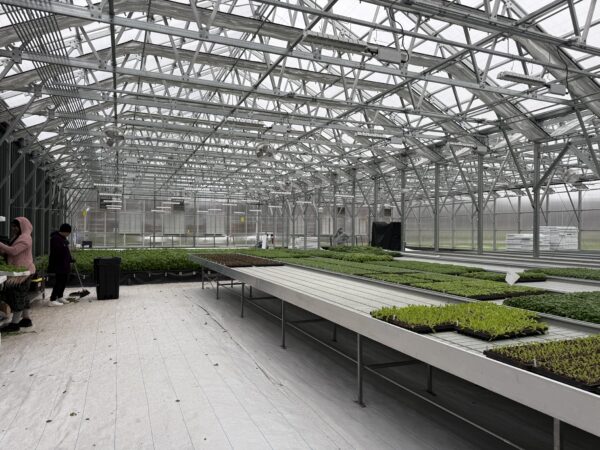
The nation has witnessed the decline of many of its major fisheries while seafood consumption has increased and continues to be encouraged because of its health benefits. This gap between resource availability and human need creates opportunities for an expanded U.S. aquaculture industry and for innovative marketing strategies and value-added products for the nation’s wild fisheries industry. The overall economic impact of the commercial, recreational, for-hire fisheries and aquaculture industries in the United States is over $276 billion. Innovative technologies for all sectors of sustainable fisheries, including commercial and recreational fishing, aquaculture, seafood processing and consumer safety, need to be developed to ensure a safe and sustainable supply of seafood products now and for future generations. Seafood safety will continue to be a concern for consumers. Partnerships with federal and state fisheries managers, seafood processors, fishing associations and consumer groups will ensure safe, secure and sustainable supplies of domestic seafood.