Skip to content
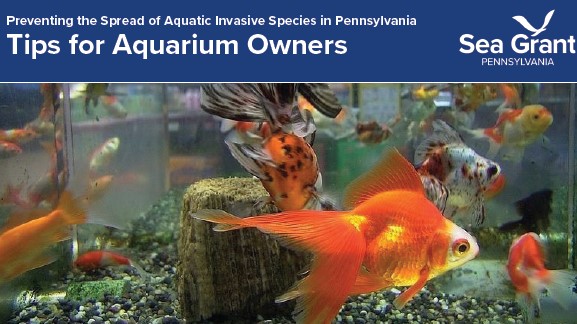
a person looking at a fish tank

AIS Prevention Tips for Aquarium Owners

The aquarium industry is a popular hobby in the United States, with more than 13 million households maintaining aquariums. However, when owners decide they no longer want, or can no longer take care of the animals and plants in their aquariums, species are often released into the natural environment where they can establish and become invasive. It is important that aquarium owners understand the impacts that aquatic invasive species (AIS) can have, and ensure that plants and animals are disposed of in a proper manner and are never released into the natural environment.

Aquatic invasive species (AIS) are non-native plants, animals, or pathogens that cause harm to the environment, the economy, and human or animal health. Preventing the spread of AIS is important because these species disrupt ecosystems, reduce biodiversity, and cost communities time, money, resources, and lost revenue once introduced. Many of the brightly colored and attractive fish, crustaceans, plants, and other creatures purchased for aquariums are exotic and not native to Pennsylvania. If released, they have the potential to become harmful invasive species. These releases can be intentional or unintentional. Unintentional introductions can occur if species escape and make their way into a water source. Intentional releases can occur if pet owners decide they can no longer care for their pets or plants and think the most humane option is to release them into a local pond or river. Unfortunately, the intended good deed of releasing that species could have negative consequences for native species.

Released species can often outcompete native species by altering the food chain and consuming valuable resources needed by native species. AIS also have negative impacts on water quality and the ability to change the dynamics of natural ecosystems.

Many aquarium species, such as Goldfish, Red-eared Sliders, and numerous aquarium plants like Hydrilla and Brazilian Waterweed have already made their way into Pennsylvania waters. National campaigns such as Habitattitude™ provide alternatives for releasing unwanted aquarium pets and plants. By following these simple steps, aquarium owners can help prevent further release of these species and play an active role in preventing the spread of AIS.

Alternatives to Release

  • Contact a retailer for proper handling advice or for possible returns. Give/trade with another aquarist, pond owner, or water gardener, or donate to a local aquarium society, school, or aquatic business. If your plant or animal finds a new home with one of these locations, be sure to emphasize “Don’t Release” into the environment.
  • Seal aquatic plants in plastic bags and dispose of them in the trash. These materials should not be composted because their seeds and other plant parts may spread.
  • Contact a veterinarian or pet retailer for guidance about humane disposal of animals. Disposal of live organisms should be considered as the last resort. Another option is to seek out an aquarium pet adoption organization or a local aquarium pet surrender event.

Join Our Newsletter

Keep up with the latest news and events by signing up below.


By submitting this form, you are consenting to receive marketing emails from Sea Grant Pennsylvania. You can revoke your consent to receive emails at any time by using the SafeUnsubscribe® link, found at the bottom of every email. Emails are serviced by Constant Contact.

This site is protected by reCAPTCHA and the Google Privacy Policy and Terms of Service apply.