Skip to content
man feeding fish in a pond

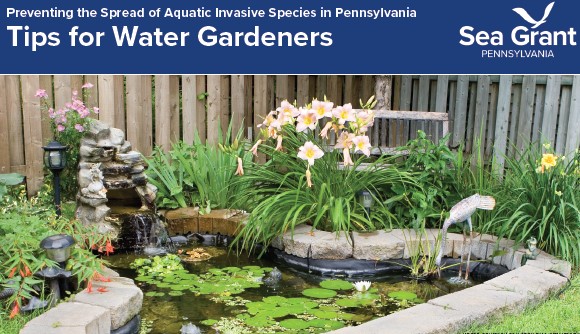
AIS Prevention Tips for Water Gardeners

Water gardening is a popular hobby and is one of the fastest growing branches of the aquarium trade. While water gardens are beautiful and promote feelings of serenity and calm, they can also represent troubled waters. Aquatic invasive species (AIS) can be accidentally introduced and spread by water gardening activities. It’s important that water gardeners understand the impacts that AIS can have and take actions to prevent their spread while still enjoying their hobby.

Aquatic invasive species (AIS) are non-native plants, animals, or pathogens that cause harm to the environment, the economy, and human or animal health. Preventing the spread of AIS is important because these species disrupt ecosystems, reduce biodiversity, and cost communities time, money, resources, and lost revenue once introduced.

Invasive plants, snails, and fish make attractive additions to water gardens; however, if released, they can pose a significant threat to native ecosystems. These species are often readily available for purchase at local retail outlets, by delivery from online sources, or as hitchhikers in the packing material, soil, or water accompanying a purchase. Unintentional introductions become more likely if a water garden is built near a natural body of water. Extreme weather events, such as heavy storms and flooding, can spread species as high waters and winds can carry plant fragments, debris, seeds, and even the species themselves to neighboring waterways. Invasive species are typically hardier, grow faster, reproduce often, and can outcompete native species and cause harm to ecosystems and the food web, and therefore should never be disposed of or released into a waterway.

Water gardeners can unintentionally spread AIS when they 1) unknowingly purchase an invasive species from retail stores; 2) build water gardens too close to a natural waterway, or 3) dispose of aquatic plants or animals by releasing them into a natural waterway.
By following a few simple steps, water gardeners can play an active role in preventing the spread of AIS.

When Constructing a New Water Garden

Locate a new water garden away from all waterways and flood-prone areas. This will help ensure that the plants and animals in the water garden will not be carried into local ditches, canals, waterways, or water bodies as a result of heavy rainfall.

When Adding Plants

  • Choose regionally native or non-invasive plants and animals. This will reduce the amount of plant removal (i.e., weeding) needed to maintain the garden while also reducing the risk to nearby waterways should any organisms be moved by wind, animals, or flooding.
  • Purchase from local, licensed nurseries. Local nurseries are more likely to be aware of state and local regulations because of their licensing requirements. Many jurisdictions require that the license be posted. If the license isn’t clearly visible, ask an employee about their licensing.
    Check with your state natural resource agency to confirm which plants to avoid for your region. Many states maintain regulated invasive species lists.
  • Rinse plants in a bucket to remove all dirt and any attached debris including other vegetation, animals, or eggs before planting; strain debris from the bucket water; place this debris and any unwanted packaging material in a sealed plastic bag, freeze thoroughly, and dispose in the trash; dump water on dry land. This will help keep unwanted plants and animals from being accidentally introduced into the water garden, and keep these same organisms out of adjacent waterways and storm drains that may lead to natural waterways.
  • Remove any attached debris from animals before adding them to the water garden; dispose of the debris as above.

When Doing Maintenance

  • Check that the water garden remains isolated from natural waterways and areas that flood. If this is not the case, the above recommendations regarding plant choice and rinsing are even more critical; installation of standard landscape water diverting structures (i.e., water bars, swales) or relocation of the water garden should be considered.
  • Remove uninvited plants that colonize the water garden. A plant that moves into the water garden and becomes established is likely an invasive species. It should be removed and disposed of properly. Freeze unwanted plants in a sealed plastic bag and dispose of them in the trash. Unwanted plants should not be composted because their seeds and other reproductive plant parts may remain viable.
  • Find a new home for unwanted fish and other animals such as a pet retailer, animal shelter, or other water gardener. If an unwanted animal finds a home with another water gardener, be sure to share these guidelines with the new owner. If euthanasia is an option, consult with a veterinarian or pet retailer for guidance.

Join Our Newsletter

Keep up with the latest news and events by signing up below.


By submitting this form, you are consenting to receive marketing emails from Sea Grant Pennsylvania. You can revoke your consent to receive emails at any time by using the SafeUnsubscribe® link, found at the bottom of every email. Emails are serviced by Constant Contact.

This site is protected by reCAPTCHA and the Google Privacy Policy and Terms of Service apply.